The Heat Lamp Is the Headline: 12 Grocery Store Hot Bars, Ranked by Someone Who Skipped Cooking
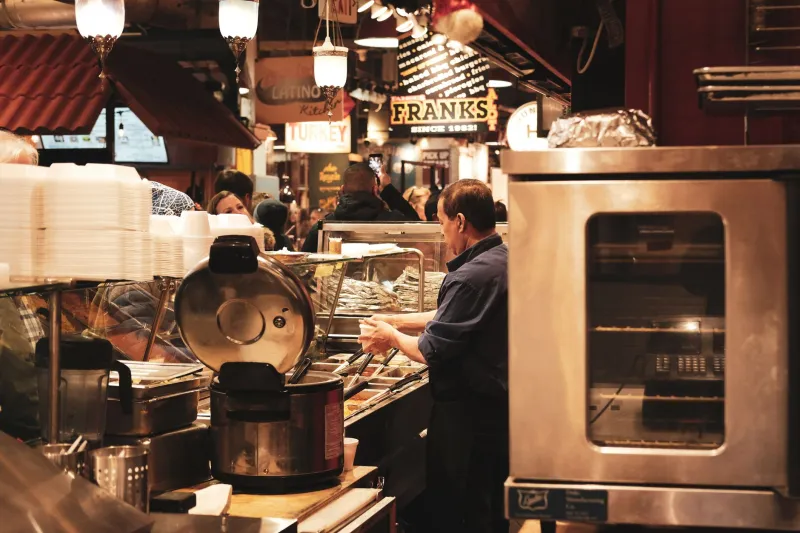
There is a specific hour on a Tuesday when the grocery store stops being a chore and starts being a restaurant. The deli case is humming. Something is being pulled from a rotisserie spit. The smell hits you somewhere around aisle four and you abandon your list.
That is the hot bar, and it is the best deal in American dining that nobody puts on a list of best restaurants. So we ate our way through the prepared-food counters at 12 chains, judged them on four things — taste, price per pound, freshness, and whether the meal actually beats cooking — and ranked them.
How We Judged
Every counter was scored on the same four-part test. Taste means flavor, not just salt: did the mac and cheese taste like cheese, did the collards taste like something other than butter and time. Price per pound was measured against what the same money buys in ingredients for a home-cooked version. Freshness is the cruelest metric — the heat lamp is a preservation device, but it is also a slow-motion countdown to sad. And the beats-cooking test is binary: after a long day, does this plate beat twenty-five minutes at the stove?
Caveat worth stating plainly: these counters vary wildly by location and by hour. A hot bar at 11:45 a.m. is a different restaurant than the same hot bar at 7:50 p.m. Judge your own based on when you show up.
The Ranking, From Serviceable to Superb
12. The generic regional grocery hot bar. You know the one. Three beige items under a lamp, a fried item of unclear origin, mac and cheese that has been held at temperature since the Clinton administration. It will feed you. It will not delight you. Skip unless it is the only option between exits.
11. Wholesale club prepared cases. Great rotisserie chicken value, thin on sides. The chicken is genuinely a budget cheat code; everything else is an afterthought in a plastic clamshell.
10. Big-box supermarket deli counters. Reliable fried chicken, respectable rotisserie bird, predictable sides. Nothing here will surprise you, and on a bad night, predictable is a feature.
9. Budget grocery chains with hot cases. Prices are the whole story here, and that is fine. Expect a small rotation, high turnover (a good sign), and simple dishes done plainly. Do not go looking for collards with depth. Do go looking for a $5 lunch.
8. Natural and organic grocers. Better ingredients, better intentions, smaller portions, higher per-pound price. The cold case usually outperforms the hot bar, but the soups and grain salads are legitimately good.
7. Mid-tier supermarket hot bars with a global rotation. These are the sleepers. When a chain commits to rotating dishes — a curry, a taco filling, a stir-fry — the hot bar stops being a steam table and starts being a cafeteria with ambition.
6. Florida-based chains with serious deli programs. Fried chicken, plantains, black beans, and a sub line that could carry the whole store. The per-pound price is fair and the chicken is consistently the best of the big chains.
5. The giant grocery chains with in-store dining. Fried chicken, mac and cheese, collards, and a real seating area with actual tables. The food is a small step above heat-lamp standard mostly because turnover is high — people are buying it constantly, which is the freshest thing a hot bar can be.
4. The small-footprint specialty chains with a hot case. Limited menu, made in small batches, gone by 6 p.m. This is the closest a grocery store gets to a takeout counter, and the intent shows in the food.
3. The Texas-based giant with a full restaurant inside. This is not really a hot bar anymore, it is a cafeteria with a grocery store attached — brisket, tortillas made in front of you, actual meals rather than scoops. Whole different sport.
2. The Northeast super-regional with a chef-driven prepared foods department. Dozens of items, rotating by season, sides that taste like someone seasoned them on purpose. You can build a Thanksgiving plate here in October. The price per pound stings. The quality mostly justifies it.
1. The chain where the hot bar is the destination, not the backup plan. When the mac and cheese is properly cheesy, the roast chicken is juicy at 6 p.m., the greens are cooked with actual care, and the total for a full meal for two lands under twenty dollars, you have found America's most underrated restaurant. Show up before the dinner rush, take the chicken, take the greens, skip anything that has clearly been sitting since lunch.
Field Rules for the Hot Bar
- Go at rush, not after. The best food is the food that just came out. 11:30 a.m. and 5:30 p.m. are your windows.
- Watch for a swap. If a worker is replacing a pan, wait for the new one. That is the freshest food in the building.
- Weigh your container before you fall in love. Per-pound pricing turns a generous scoop into a $19 lunch fast.
- Stick to the top three items. Almost every good hot bar has three things worth the money and five that are filler.
- Rotisserie chicken remains the single best value in the store. Buy it, ignore the sides, make your own rice at home for pennies.
The Verdict
The grocery store is not competing with restaurants. It is competing with your stove, and on a Wednesday at 6:15 p.m., it wins more often than anyone wants to admit. The best hot bars are the ones where someone clearly cares what comes out from under the lamp — and the worst are a reminder that heat is not a flavor.
Eat well. Skip the beige.


